Objects / Central Europe
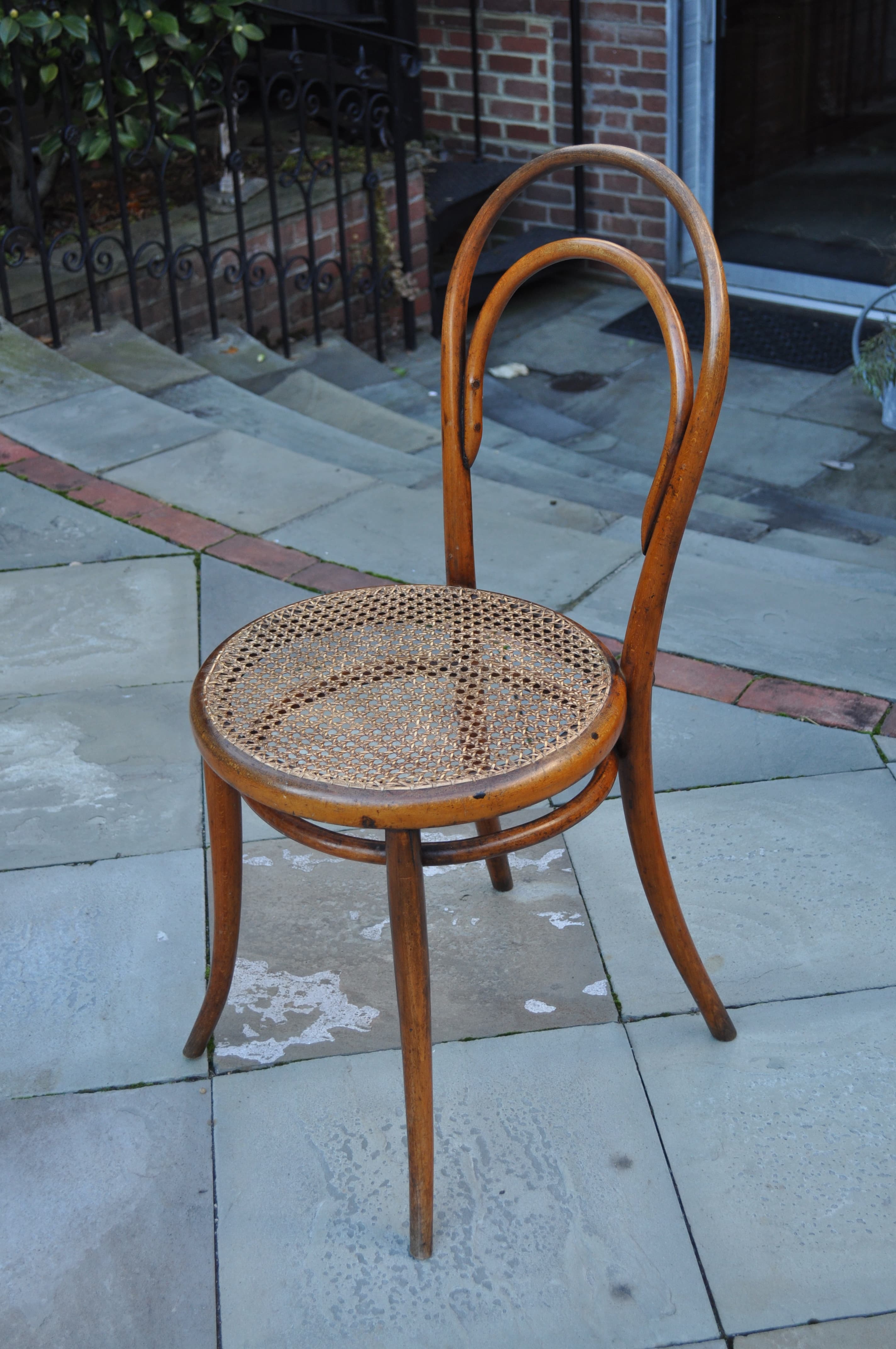
A chair with a way back.
A familiar café chair makes a larger point: lasting value needs a practical route back into use.
Repairable constructionEveryday use
HOLDING PRINCIPLE
The possibility of a second life is built into the first.
An object’s future begins before it wears out. How its parts meet, what can be opened, and whether knowledge remains available shape the choices its next owner will have.
The chair is a useful opening case because wear is easy to understand. A frame, a seat and a joint need different interventions. Their separation creates options; access to the right repair skill turns an option into a practical route.
Use this as a question to carry elsewhere: what has to remain available for this thing to keep giving? A manual, a craft, a spare part, an institution and a willing owner can all be part of the answer.
This opening principle is developed from the Thonet reading. Wider application is a working hypothesis until supported by additional independently researched Selections; repair is not always safe, affordable or environmentally preferable.
A familiar café chair makes a larger point: lasting value needs a practical route back into use.