DISCOVERY / Industrial Heritage & Technological Memory
The power station that keeps the questions.
Vemork preserves more than impressive machinery. Its power hall and recovered heavy-water cellar connect engineering to labour, conflict and the consequences of technical knowledge.
Published 22 October 2026 · WHV · Public-source editorial note
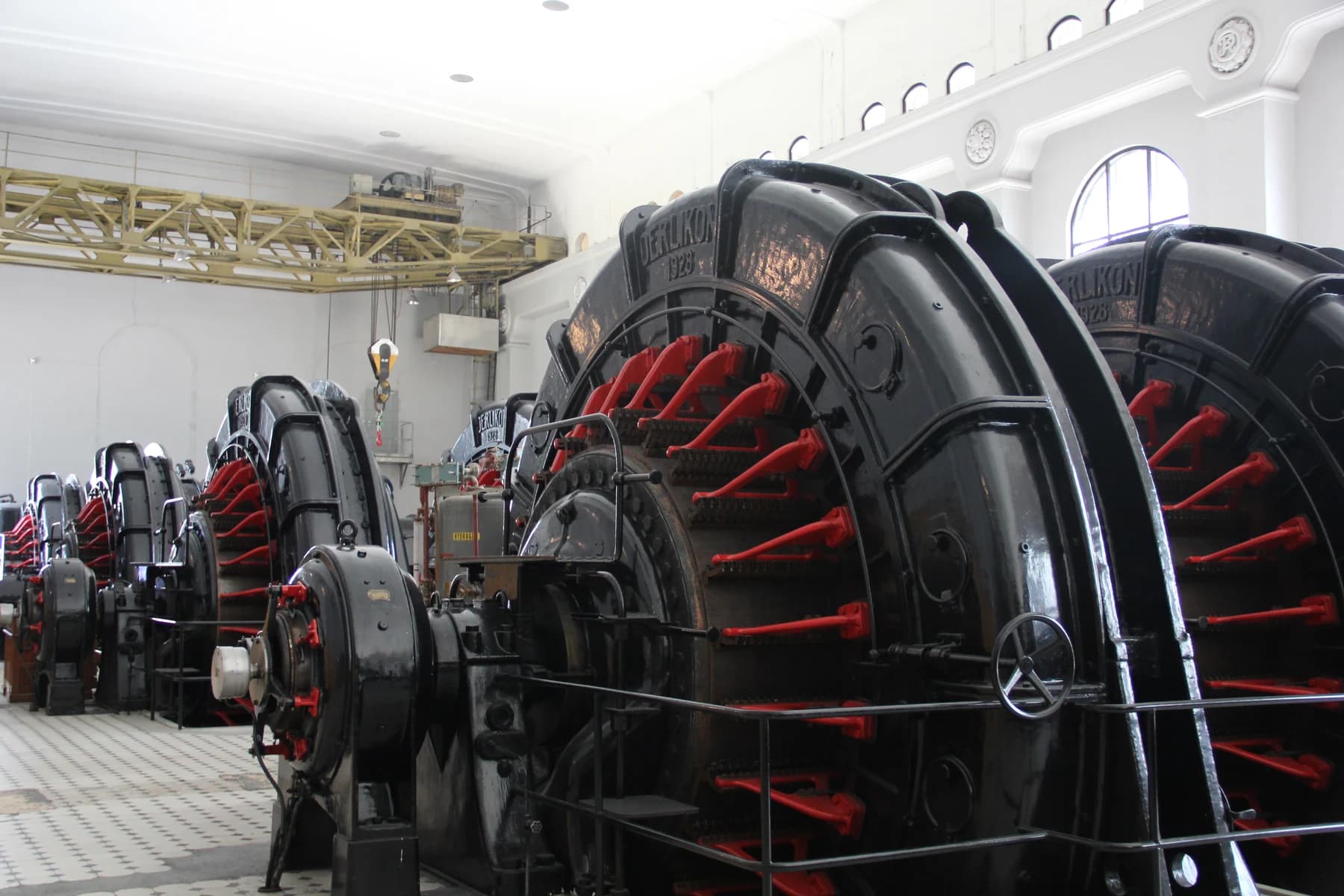
The machines make the first impression. Inside Vemork’s former power station, their scale turns electricity from an invisible service into a material undertaking. But the Norwegian Industrial Workers Museum offers more than a room of impressive equipment. It preserves a place where technical capability became entangled with work, politics and war.
Keep the evidence as well as the story
The site near Rjukan belongs to the Rjukan–Notodden industrial heritage landscape. Its heavy-water history is inseparable from the wartime efforts to disrupt production. In 2017, an archaeological excavation recovered the actual heavy-water cellar beneath a demolished factory building. The museum now presents the cellar as part of the visit, alongside the wider industrial story.
The lasting value is the survival of evidence. A film can reconstruct an event, but a preserved room allows different questions about scale, access, machinery and the people who worked there. The museum’s own account includes ordinary workers as well as celebrated figures. That wider frame prevents the place from becoming only a dramatic episode with the difficult context removed.
Look beyond the heroic episode
Plan enough time for the power station and cellar, and check current opening days, access and ticket arrangements. The outdoor Saboteur’s Trail is a separate proposition with seasonal guided tours, not an automatic part of an indoor museum visit. The photograph shows machinery in the power hall, not the recovered cellar. Go to understand how a useful technology acquires consequences, not simply to admire its size.
Source and context.
Norwegian Industrial Workers Museum: visiting Vemork ↗
Norwegian Industrial Workers Museum: discovery of the heavy-water cellar in 2017 ↗
The turbine-hall image does not depict the heavy-water cellar. Seasonal outdoor tours and indoor museum access are distinct. This account does not claim that one operation alone determined the outcome of the war.
Source checked 22 October 2026. WHV interpretation is distinct from the source’s account.
Explore Industrial Heritage & Technological MemoryFOLLOW YOUR CURIOSITY
Where this leads.
Different subjects. A reason to connect them.
Continue the idea
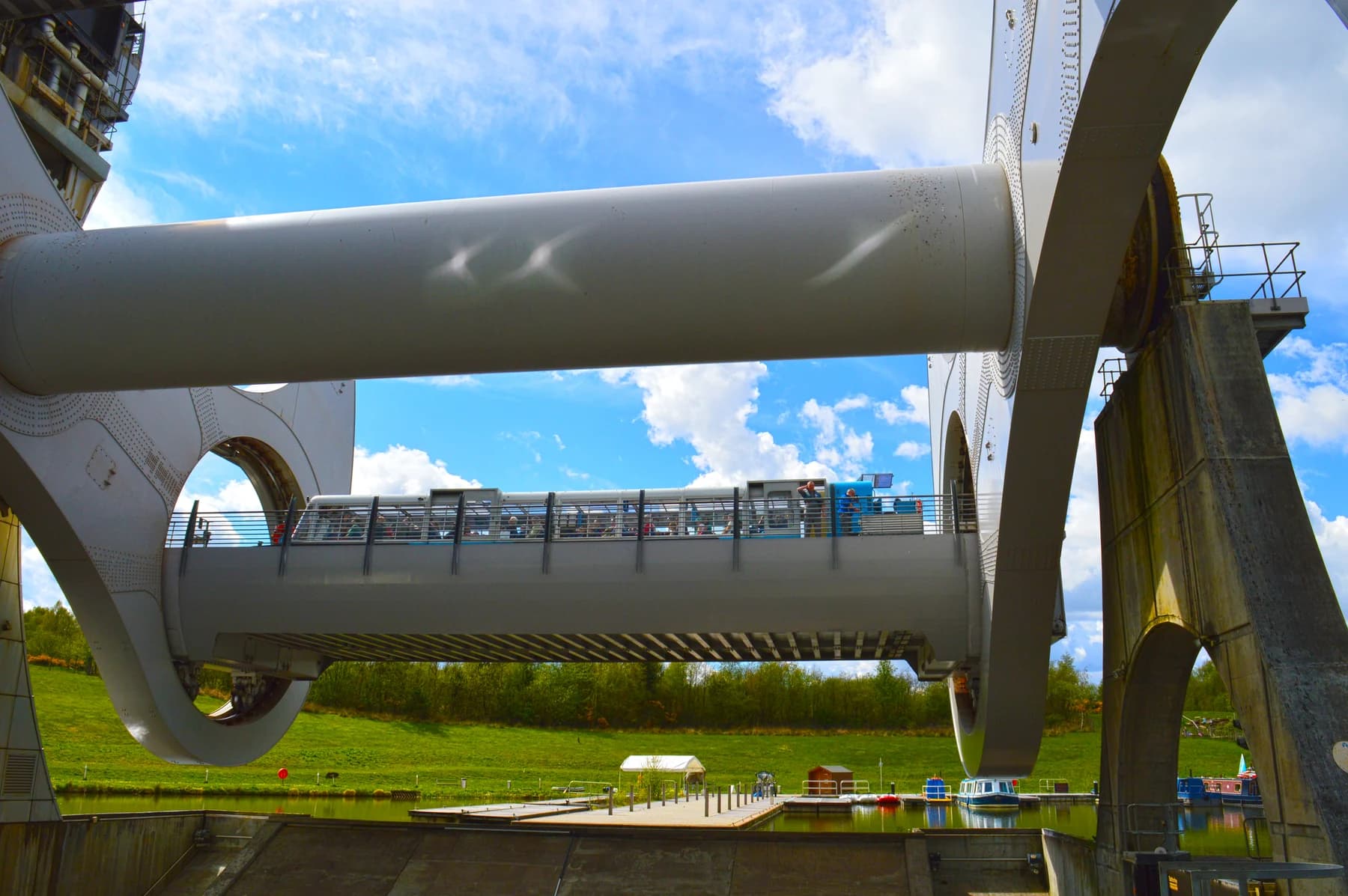
A boat ride through a physics lesson.
A working boat lift offers another way to learn from machinery, this time by taking part in its continuing operation.
Working Infrastructure & Engineering Encounters
Read the story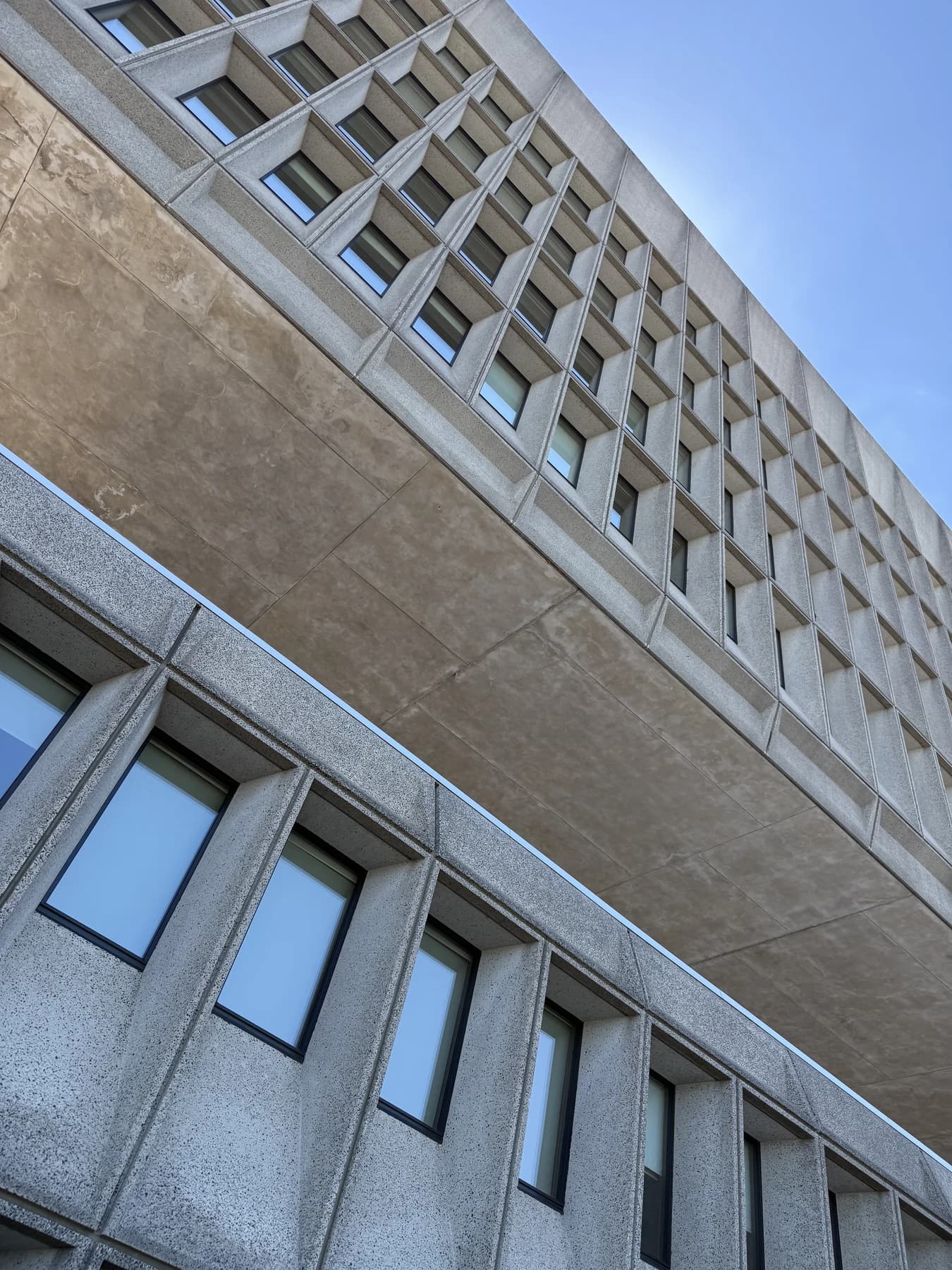
Across the WHV world
A second life inside Breuer’s concrete.
An industrial-era building becomes a hotel, raising a different set of choices about what to retain and what to change.
Adaptive Reuse & Hospitality
Read the story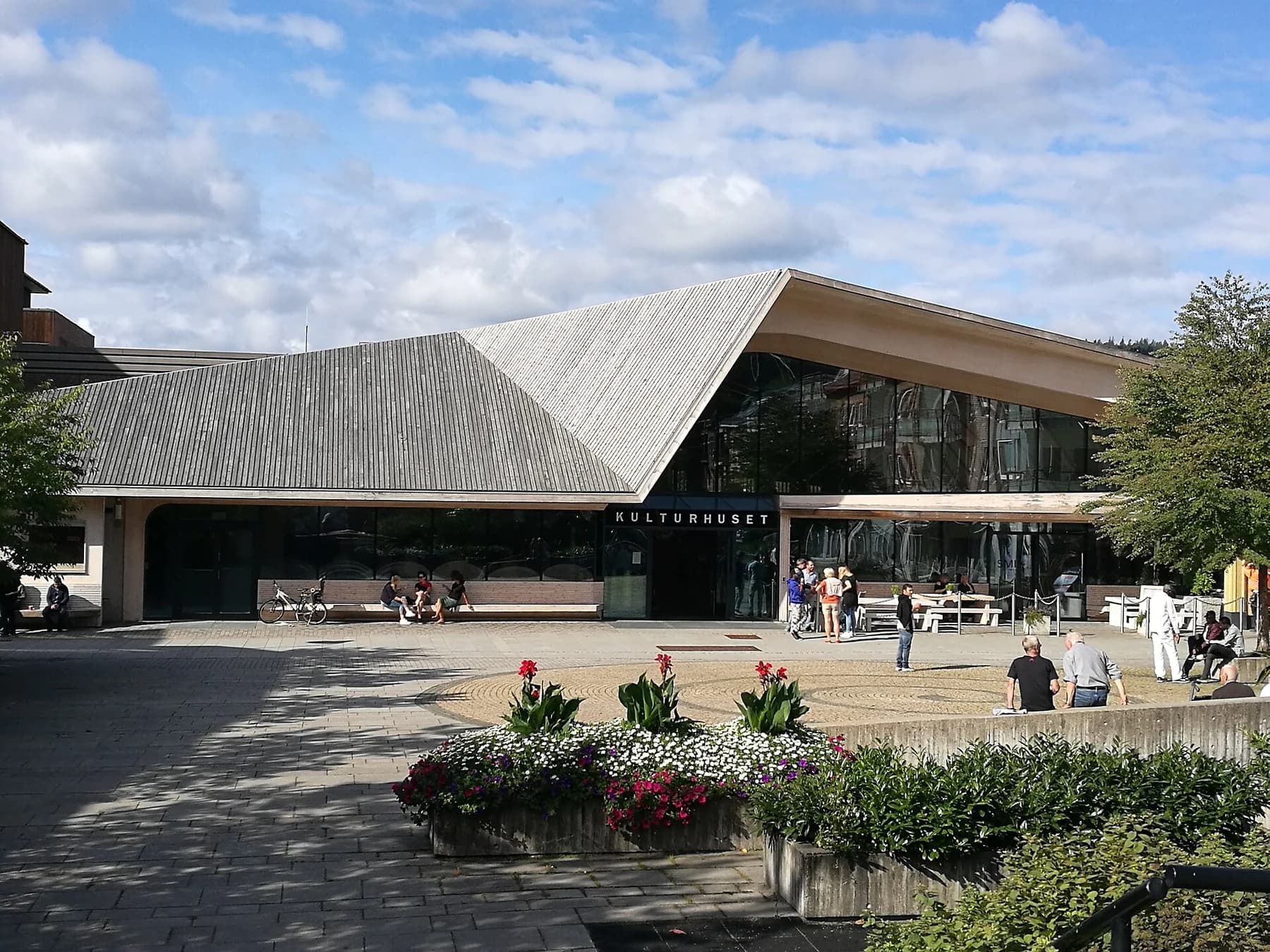
An unexpected connection
The library that makes room to stay.
A contemporary public library brings the question of shared knowledge from industrial memory into everyday civic use.
Civic Architecture & Shared Resources
Read the story