DISCOVERY / Gemstone Learning
L’ÉCOLE, looking at stones before looking at jewels.
A Paris course brings specimens, a gemologist and an art historian to the same table.
Published 3 November 2026 · WHV
The difference between a rough crystal and a cut gem is easier to grasp when you can turn both towards the light. At L’ÉCOLE in Paris, gemstone teaching puts observation next to the history of how particular stones have been worn, collected and described.
The Art & Science cycle covers diamond, emerald, sapphire, ruby and pearl. The school describes direct observation and handling of specimens, with a gemologist and an art historian guiding the sessions. It gives the participant two ways of looking at the same material, each with its own evidence.
Check the language and dates before reserving. The advertised cycle is taught in French and booked as a whole. The practical value is learning to notice features and describe them accurately, a skill that can make a museum case or a conversation with a jeweller more rewarding.
Evidence & sources.
Scope of this reading
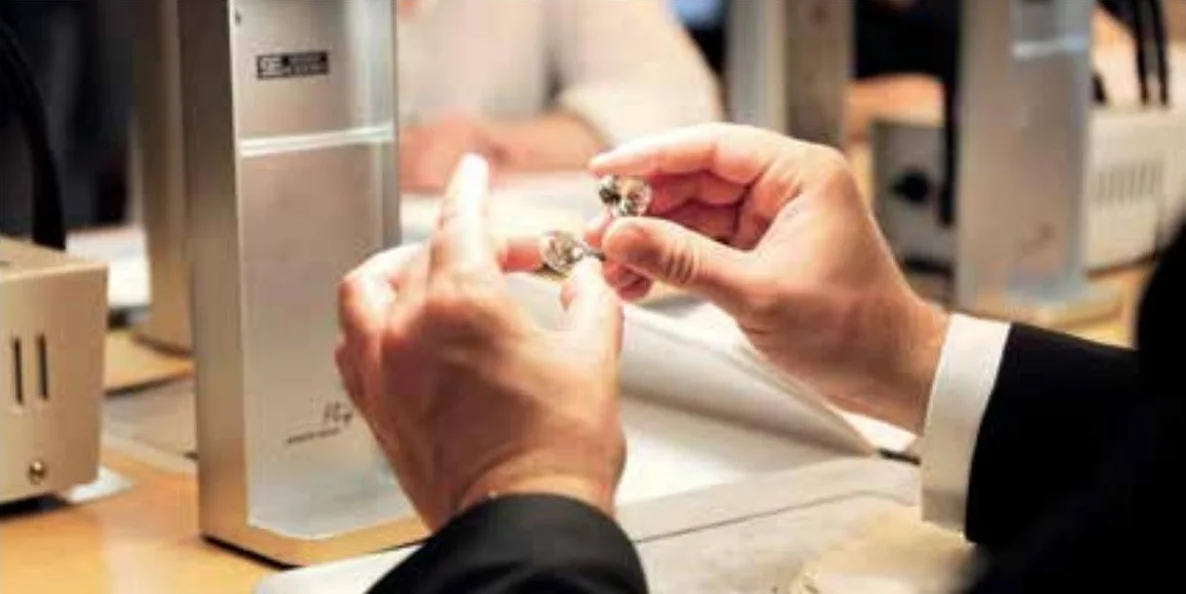
The programme and language follow the school’s listing. The archive photograph illustrates gemstone teaching at L’ÉCOLE in Hong Kong.
Sources checked 3 November 2026.
FOLLOW YOUR CURIOSITY
Where this leads.
 Image: Viltier
Continue the idea
Viltier Magnetic, a pendant with two faces.
Use the attention learned at a gemology table to look at the materials of a two-sided jewel.
Read the story Image: Berneron
Across the WHV world
Berneron Mirage Miroir, the movement faces you.
Move from handling specimens to looking at the details of a mechanical object on the wrist.
Read the story