DISCOVERY / Living Textiles & Cultural Knowledge
A cloth with a vocabulary.
Kente is not simply a bright pattern. Narrow woven strips carry choices of technique, naming and occasion that make authorship and context worth asking about.
Published 27 October 2026 · WHV · Public-source editorial note
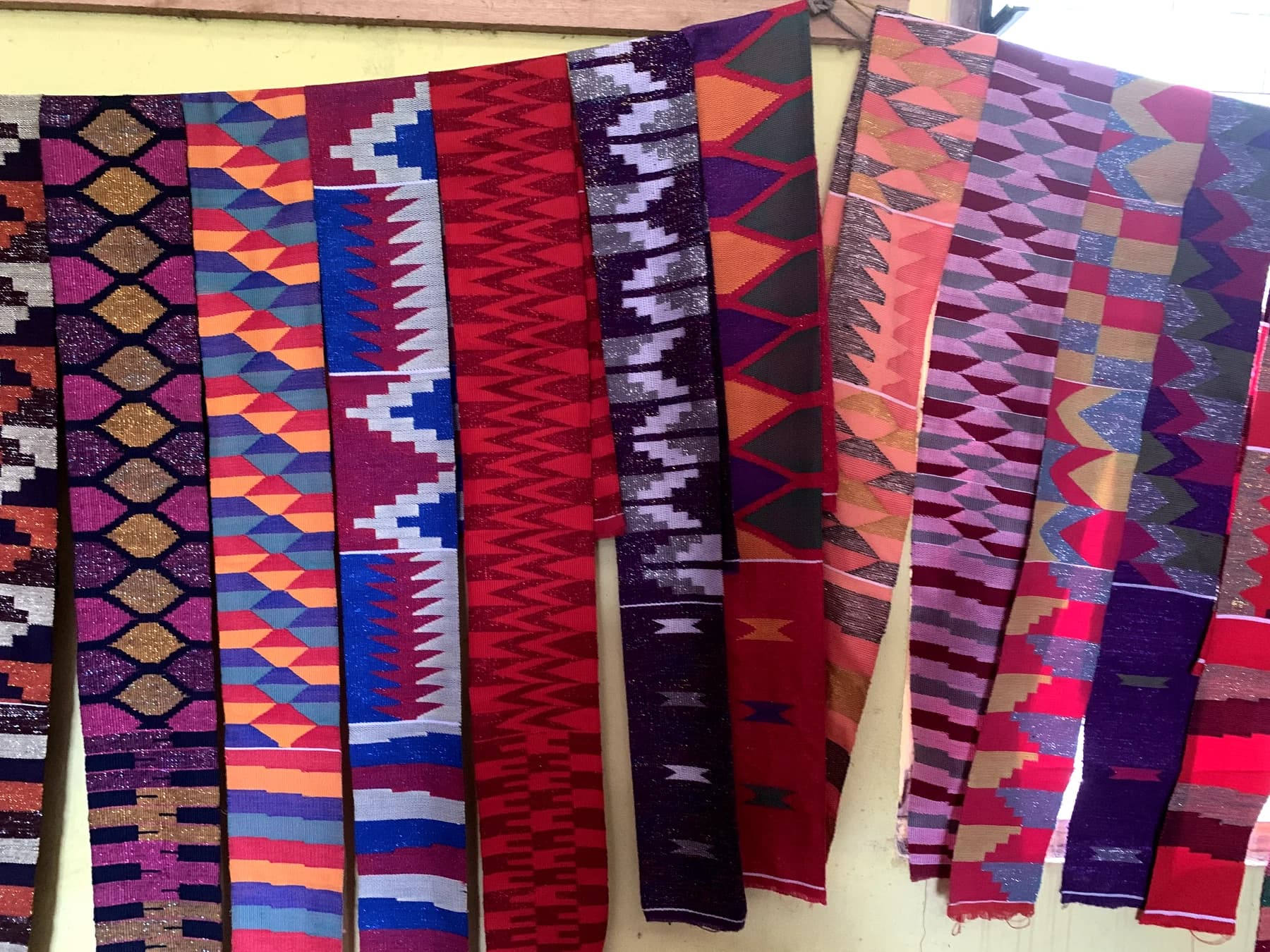
From a distance, kente can read as an extraordinary arrangement of colour. Closer inspection changes the subject. A broad cloth has been assembled from narrow woven strips, and its surface records repeated decisions about threads, pattern and placement. The visual impact comes with a construction worth understanding.
The strip is only the beginning
UNESCO inscribed Ghana’s traditional kente craftsmanship in 2024, describing a practice transmitted through families, apprenticeships and education. Pattern names and choices can relate to proverbs, occasions and social meaning. There is no single interchangeable tradition behind every cloth. The Birmingham Museum of Art documents Ewe weaving, while the Met’s historical example is Asante-Akan. The photograph here shows textiles at Tafi, an Ewe weaving village.
What holds value is the relationship between skilled work, a particular maker and a cultural vocabulary that continues to develop. A textile can be worn, collected or studied without being reduced to an anonymous luxury surface. Its story becomes more substantial when someone can explain the technique, the materials and the reason for its name, rather than simply attaching an exotic origin to a price.
Ask who made the pattern meaningful
When choosing a cloth, ask who wove it, where, from which fibres and how the seller established that account. Look at the joined strips and the reverse, and seek guidance about appropriate use and care. UNESCO recognition concerns the living practice. It does not authenticate an individual textile, certify payment to its maker or establish investment value. An honest contemporary example need not pretend to be royal or antique.
Source and context.
UNESCO: craftsmanship of traditional woven textile Kente ↗
Birmingham Museum of Art: Ewe kente wrapper and woven motifs ↗
The Met: historical Asante-Akan kente cloth ↗
The image shows Ewe kente at Tafi, not an identified Asante royal cloth. No individual textile is authenticated, valued or certified as fairly traded by this story.
Source checked 27 October 2026. WHV interpretation is distinct from the source’s account.
Explore Living Textiles & Cultural KnowledgeFOLLOW YOUR CURIOSITY
Where this leads.
Different subjects. A reason to connect them.
Continue the idea
The pattern is part of the cloth.
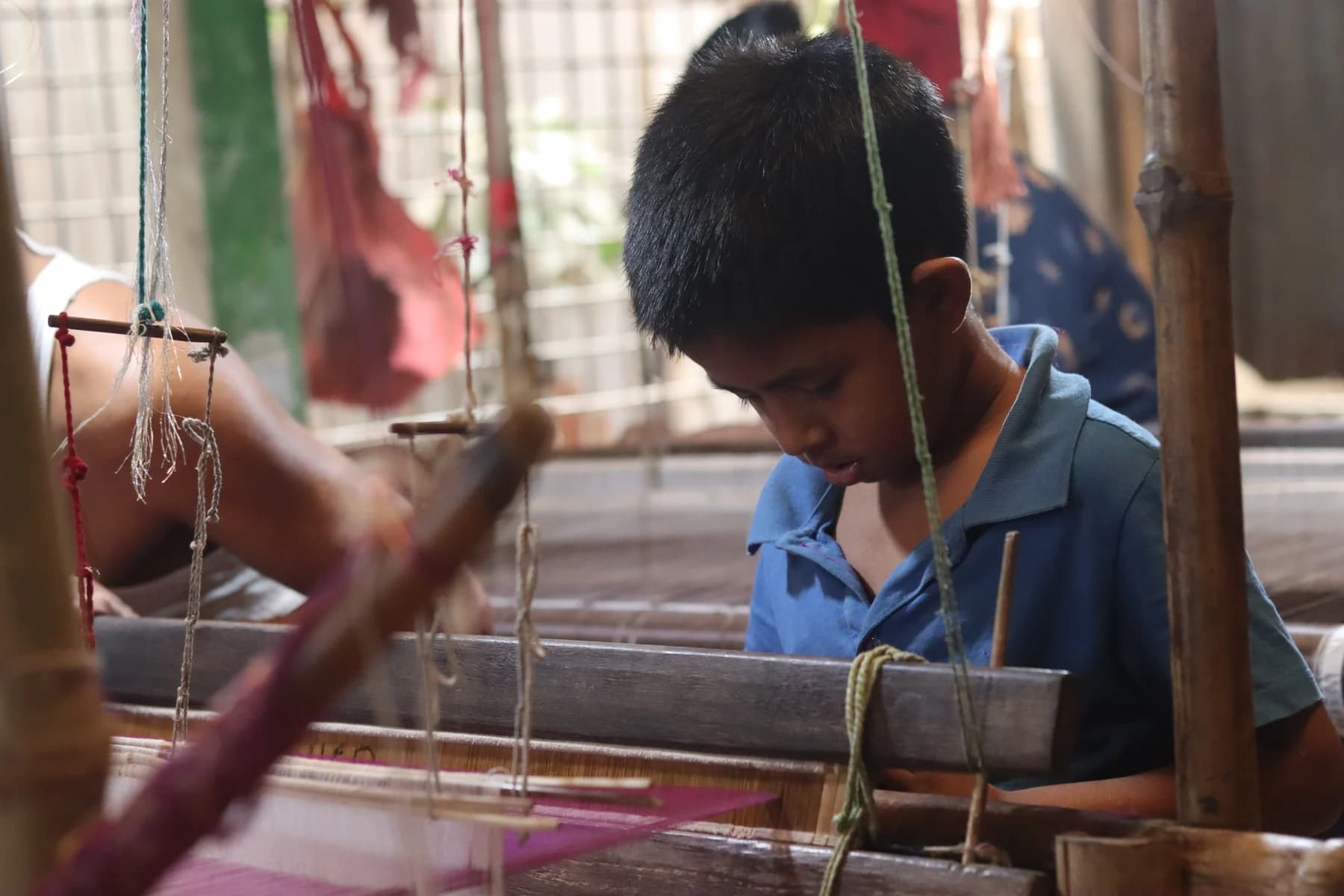
Compare kente’s assembled strips with another textile whose pattern is built during weaving.
Handwoven Textiles & Living Knowledge
Read the story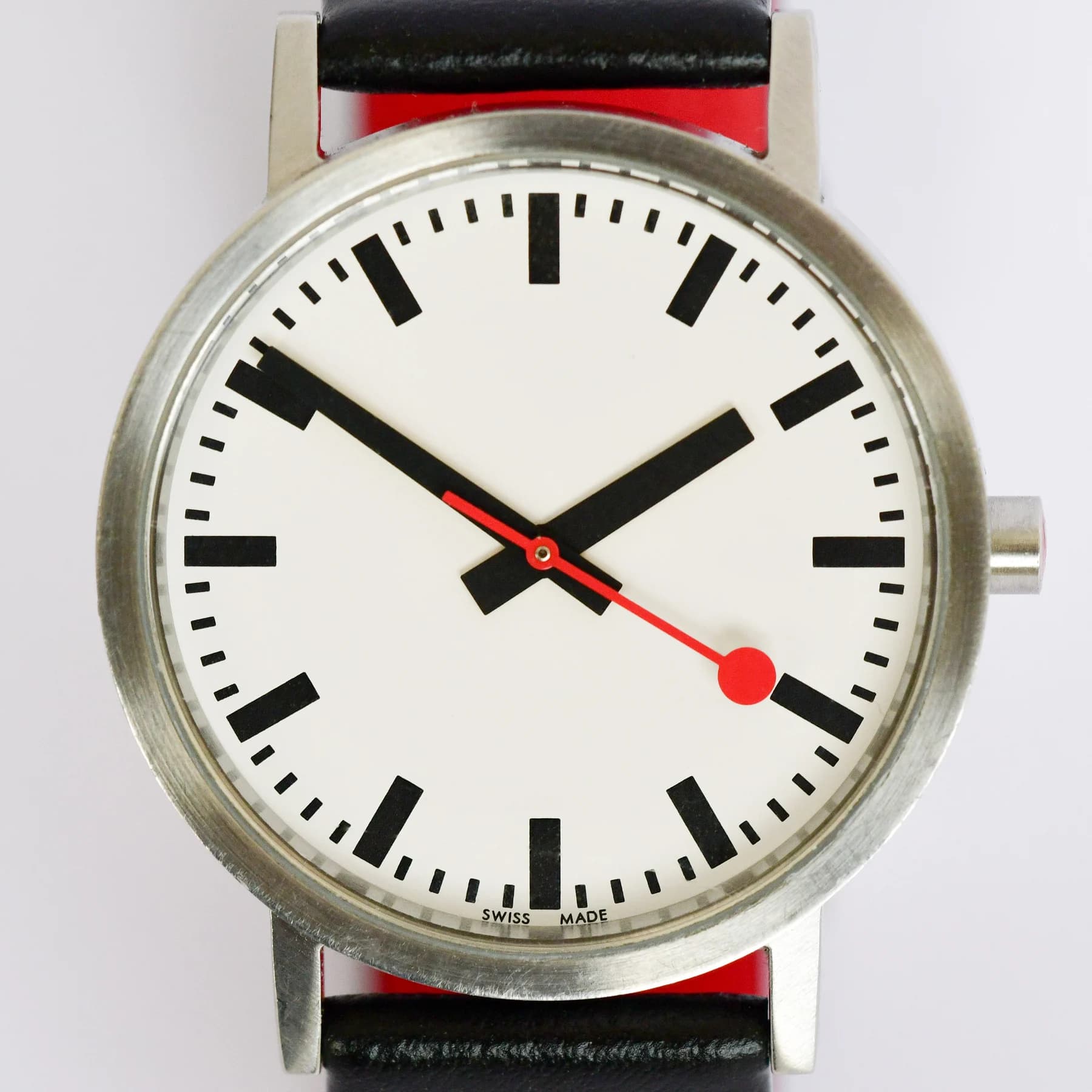
Across the WHV world
The platform clock on your wrist.
Two wearable objects carry recognisable visual languages, one cultural and woven, the other public and graphic.
Watches & Public Design
Read the story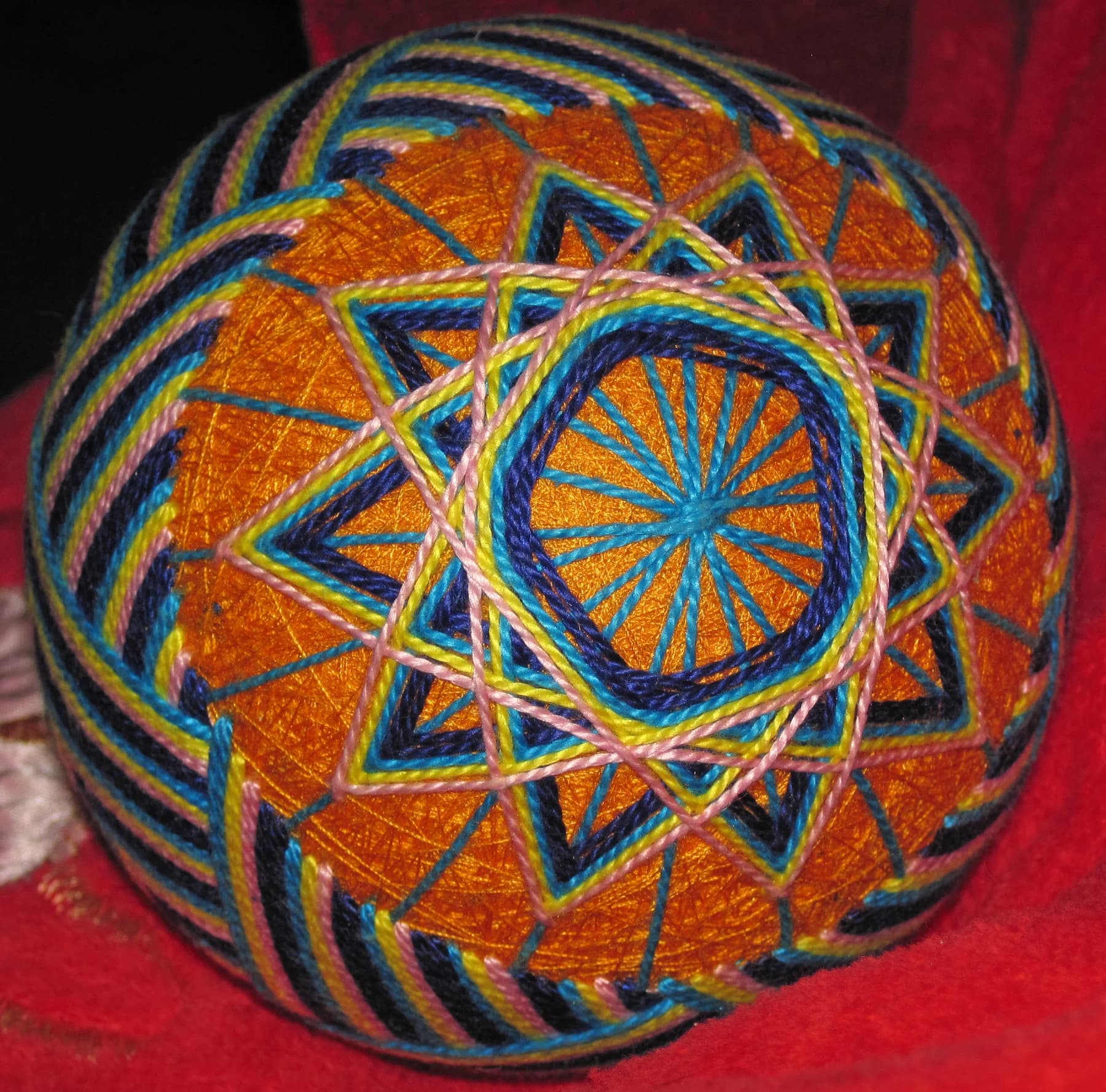
An unexpected connection
The geometry you can hold.
Follow thread into a different tradition where an underlying structure generates a complex visible pattern.
Textile Art & Geometric Craft
Read the story