DISCOVERY / Architecture & Visits
At Enoura Observatory, the date is part of the design.
Hiroshi Sugimoto’s coastal site gives the position of sunlight a place in the architecture.
 Image: Bea Phi / CC BY-SA 4.0
Published 4 November 2026 · WHV
Two directions for sunrise
At Enoura Observatory, Hiroshi Sugimoto gives two different sunrises two different rooms. The long summer gallery faces out towards Sagami Bay. The foundation describes it as a hundred metres long, with a stone wall on one side, glazing on the other and a final section that projects towards the sea. On the summer solstice, the rising light follows the length of the gallery.
The winter structure works differently. A seventy-metre tunnel channels the morning light towards stones at its landward end. The optical glass stage sits alongside it. The two alignments give the difference between the summer and winter sunrise a scale you can walk and a direction you can follow.
What an ordinary visit lets you see
On a regular visit, stand back from a passage and see where the opening directs your eye. Move closer and look at what disappears from the sides of the view. In the summer gallery, try looking first across the glass and then along the wall. The sea is there in both directions, but the building gives it a different role in each.
The hillside photograph is useful for a separate reason. It shows how a structure reaches out from the slope, before you encounter its interior geometry. Keep that view in mind when you go from open ground into one of the tighter passages. The contrast helps explain why the movement through the site is part of the experience.
Choose your visit by what you want to notice
Start with the foundation’s booking page. It uses timed visits and specifies that visitors must be at least twelve. The route has outdoor stretches and uneven ground. Check the current access guidance and allow time for the journey from the station. Some areas have limited wheelchair access, so confirm the parts you want to visit with the foundation.
If your reason for going is the actual sunrise alignment, look for a separately announced session and check its terms. An ordinary slot is enough to study the directions of the two structures. The changing light is a reason to spend longer looking, even when the calendar is far from either solstice.
Evidence & sources.
- Odawara Art Foundation, Enoura Observatory (opens source in a new tab)
- Odawara Art Foundation, booking and access (opens source in a new tab)
- Odawara Art Foundation, architectural guide to the solstice structures (opens source in a new tab)
Scope of this reading
The independent hillside photograph does not depict a solstice event. Confirm admission, weather and access arrangements before travelling.
Sources checked 4 November 2026.
FOLLOW YOUR CURIOSITY
Where this leads.
Continue the idea
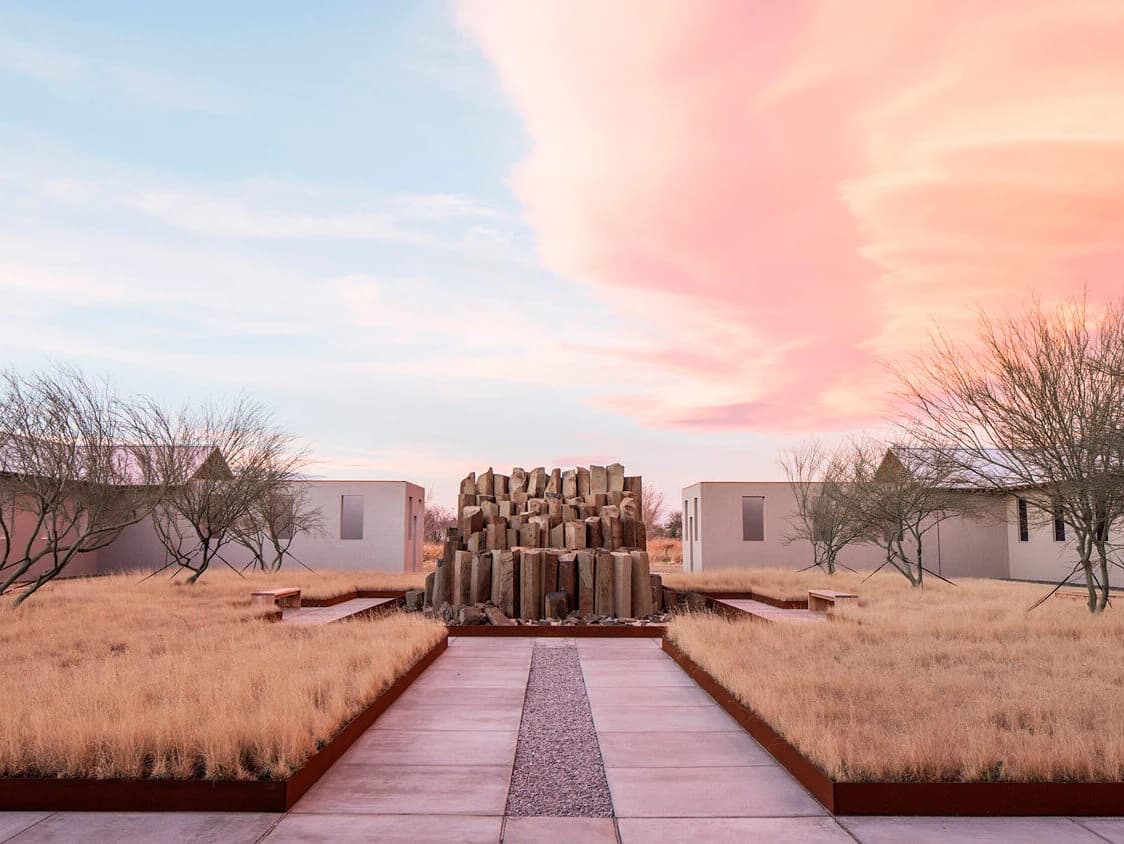
At Chinati, a visit with changing light.
Compare another visit where changing daylight is part of the work.
Read the story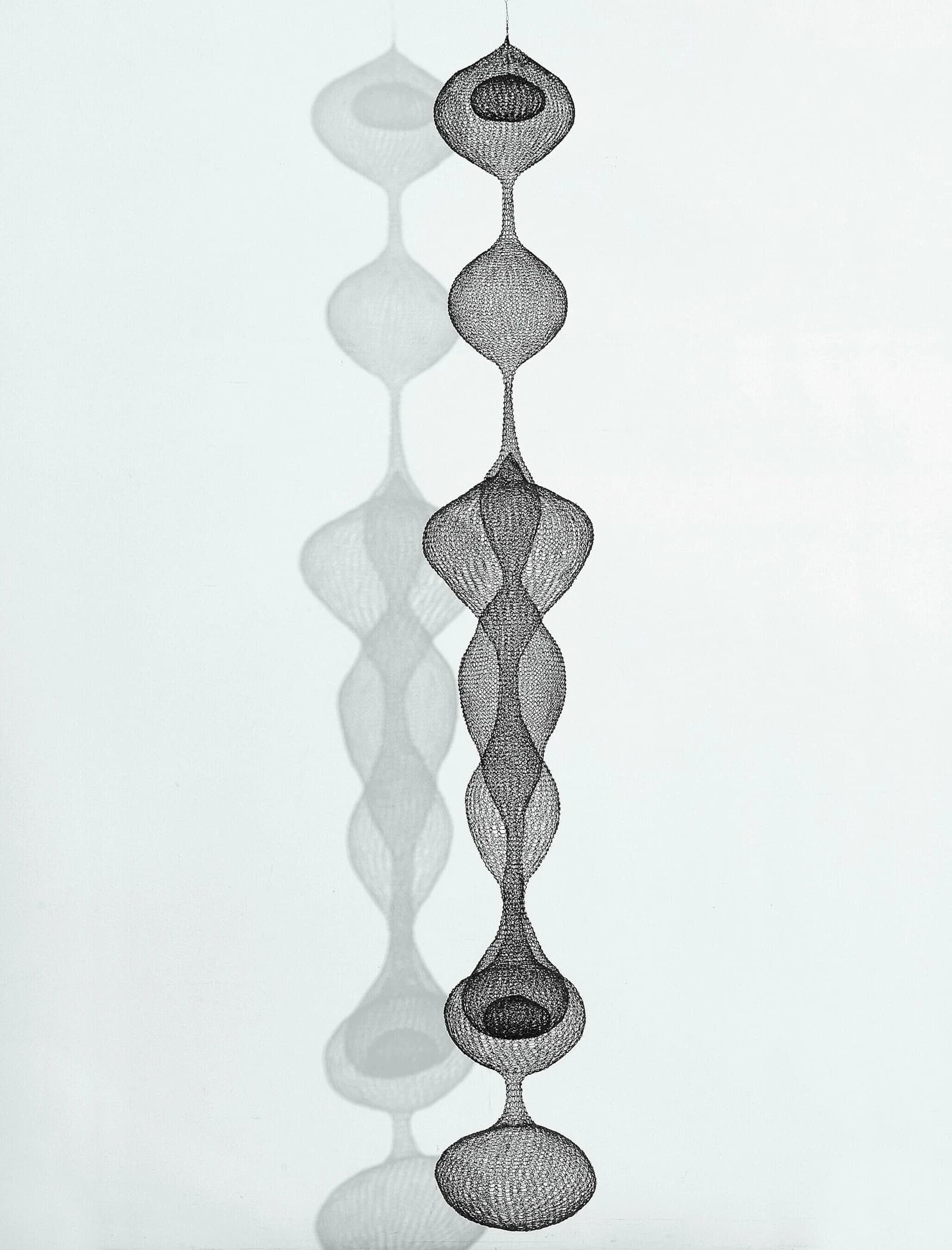
An unexpected connection
Ruth Asawa’s S.272, see the wire and the air.
Return from a changing coastal view to shadows that change as you move around a sculpture.
Read the story