DISCOVERY / Urban Vehicles & Design Experiments
The scooter that questioned the category.
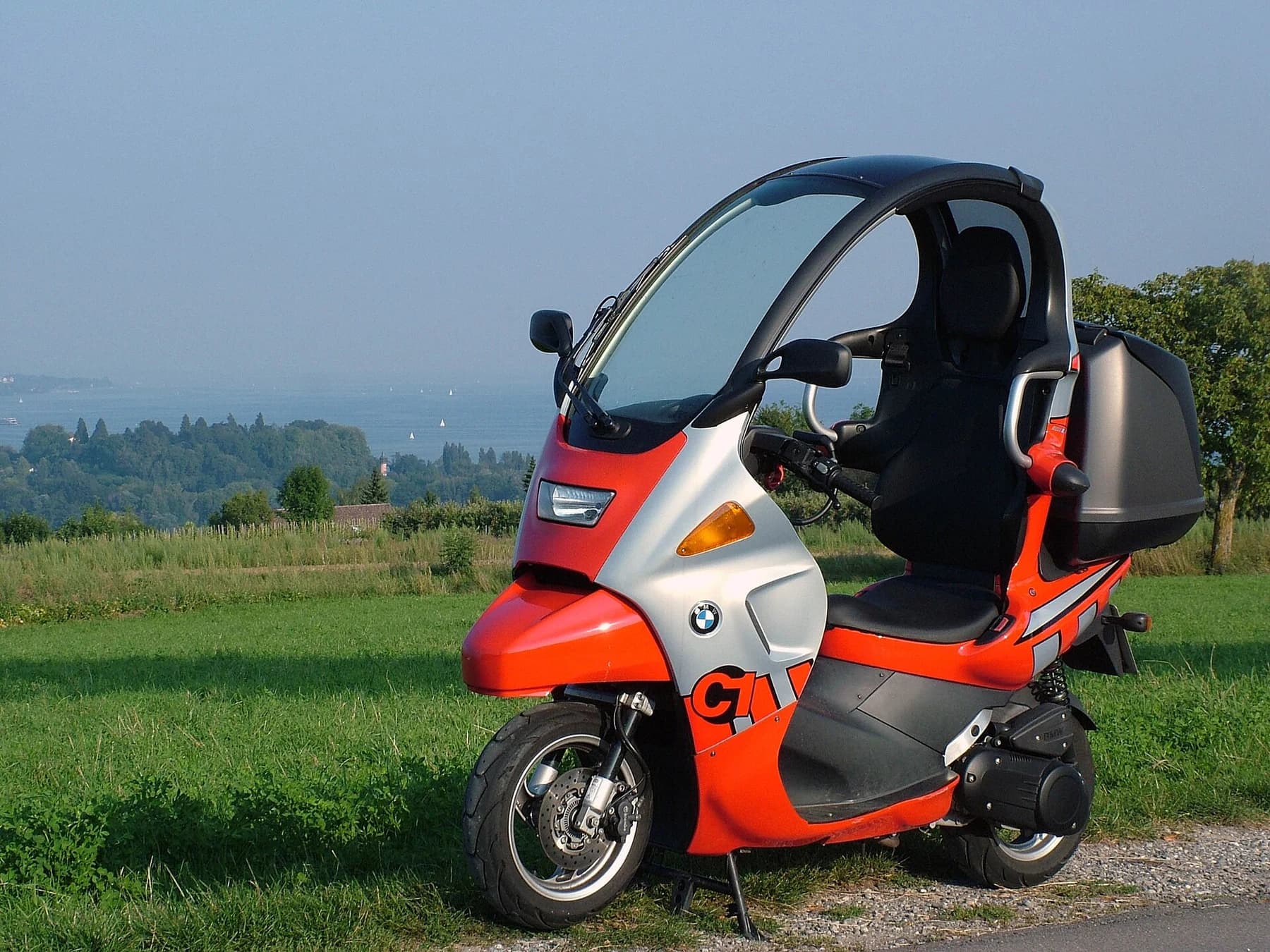
BMW’s C1 placed a roof and restraint system around a scooter rider. Its interest is an unusually concrete attempt to rethink urban transport, not proof that every unusual vehicle becomes valuable.
Published 21 October 2026 · WHV · Public-source editorial note
The BMW C1 can look like a scooter that has wandered into another category. Its roof, windscreen and prominent seat structure make that uncertainty deliberate. Introduced in 2000, it asked whether a narrow urban vehicle could borrow some of the protective architecture associated with a car.
An awkward question made physical
BMW’s original technical account describes a safety cell, restraint belts, shoulder protection and a deformable element above the front wheel. The roof also addresses weather exposure. These features explain the design, but the manufacturer’s historical promotional claims are not a substitute for an independent assessment of a surviving machine or present-day riding requirements.
What holds interest is the seriousness of the experiment. The C1 was a produced vehicle, not only a speculative drawing. It makes the compromises between width, shelter, balance and protection unusually visible. An idea can remain worth studying even if it did not become the dominant answer. Rarity and visual strangeness, on their own, do not establish financial value.
An interesting machine still needs support
For ownership, find a knowledgeable specialist before finding a bargain. Have the structure, restraint system, stand mechanism, brakes and service history assessed, and establish parts availability for the exact version. Check current local licensing and protective-equipment requirements rather than repeating old launch claims about helmets. The useful discovery is a different way of framing urban mobility, with the practical responsibilities of an ageing vehicle kept firmly in view.
Source and context.
BMW: original C1 technical and concept announcement ↗
BMW Classic: the C1 as an alternative urban vehicle ↗
Historical manufacturer safety claims are not adopted as current advice. Road legality, protective equipment, condition and parts support require separate local checks.
Source checked 21 October 2026. WHV interpretation is distinct from the source’s account.
Explore Urban Vehicles & Design ExperimentsFOLLOW YOUR CURIOSITY
Where this leads.
Different subjects. A reason to connect them.
Continue the idea
The value of doing the changing.
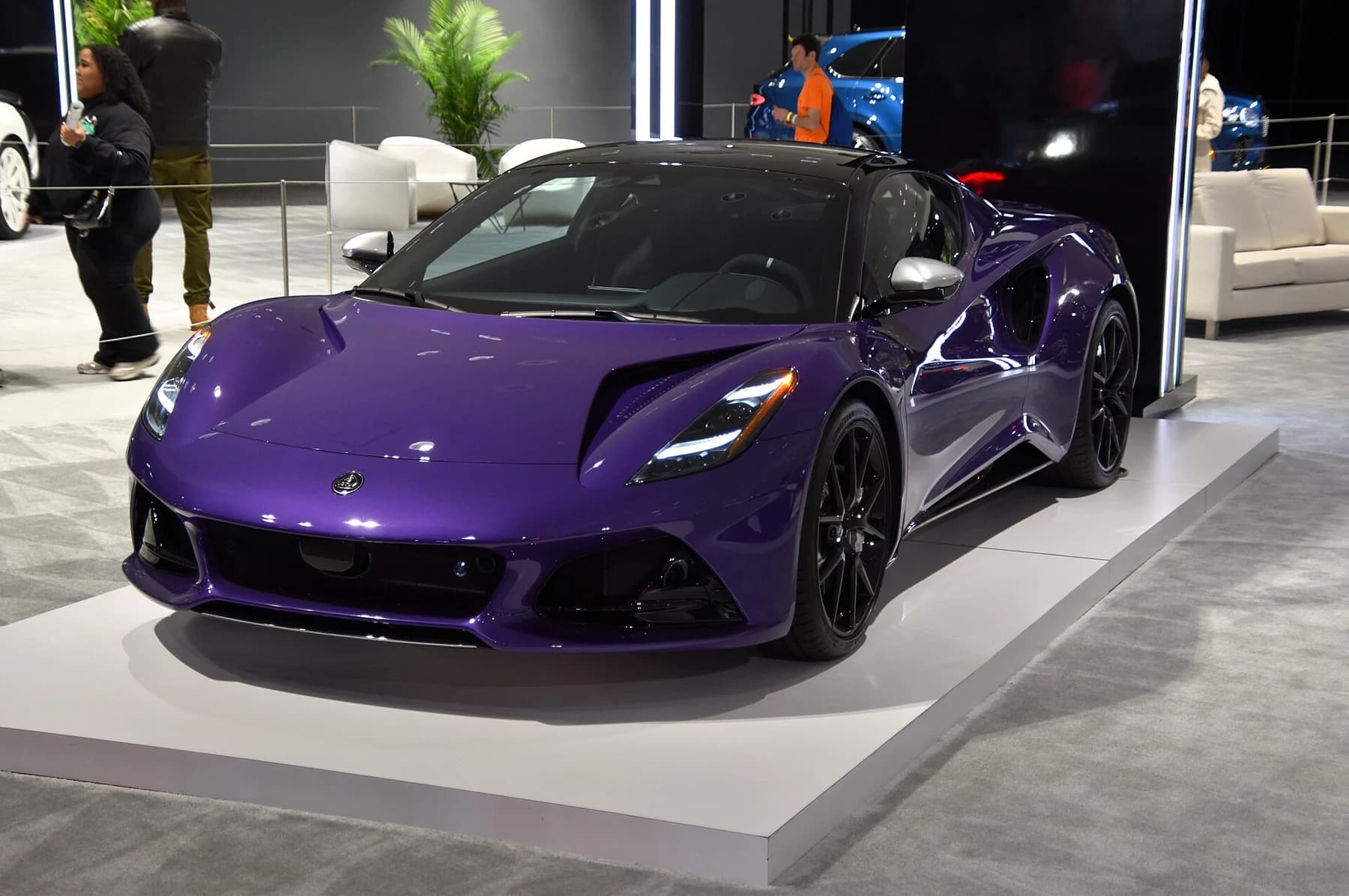
Contrast an urban transport experiment with a sports car whose chosen mechanical format serves another kind of participation.
Sports Cars & Driver Participation
Read the story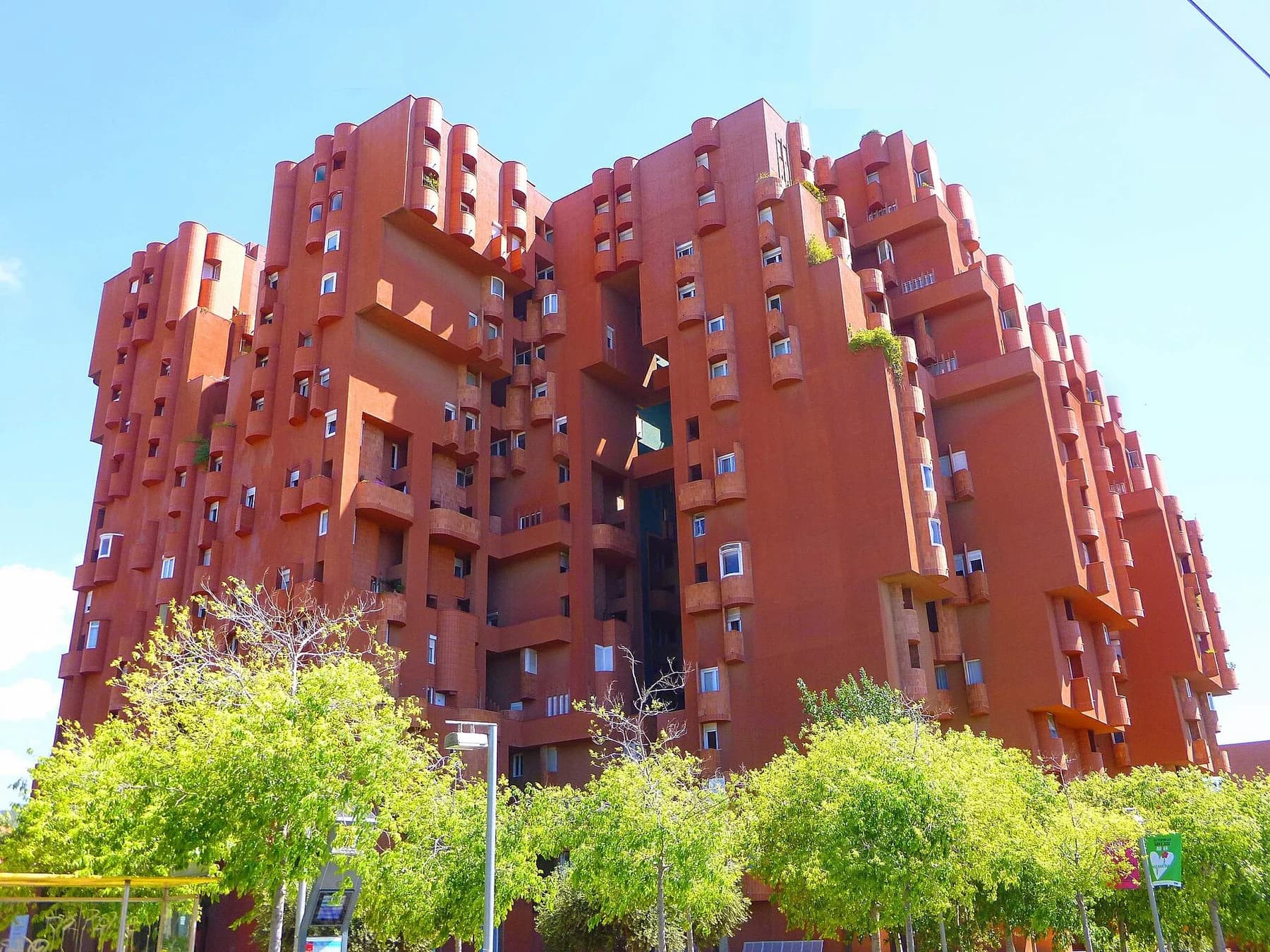
Across the WHV world
The residents who kept the idea alive.
An ambitious housing experiment likewise deserves to be understood through both its idea and its practical difficulties.
Housing & Collective Stewardship
Read the story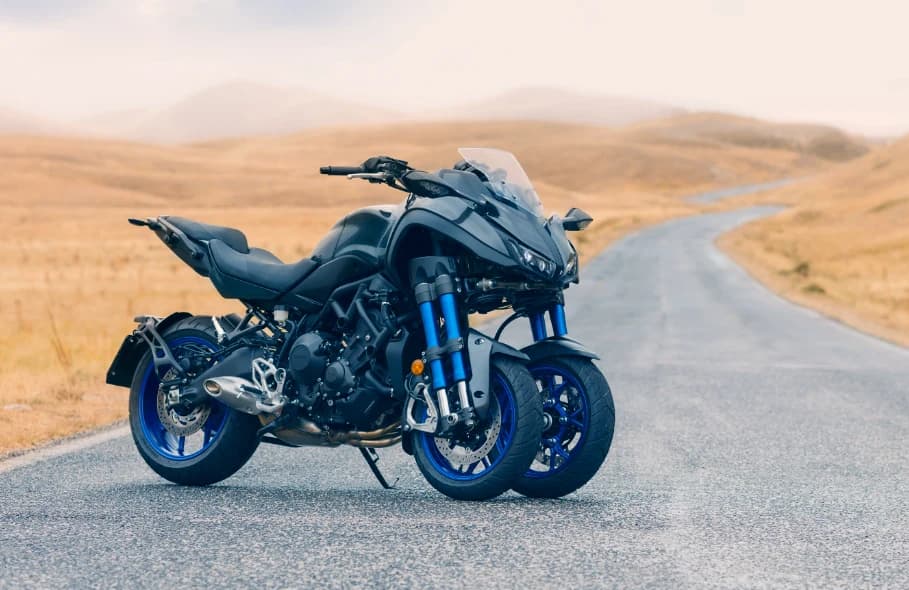
An unexpected connection
The front end that asks another question.
Yamaha’s leaning multi-wheel machine offers another produced alternative to the conventional motorcycle layout.
Leaning Vehicles & Alternative Engineering
Read the story