DISCOVERY / Everyday Mobility & Useful Engineering
The machine that lowered the threshold.
The 1958 Honda Super Cub C100 made ease of use a serious engineering brief. Its design is more revealing than its production numbers.
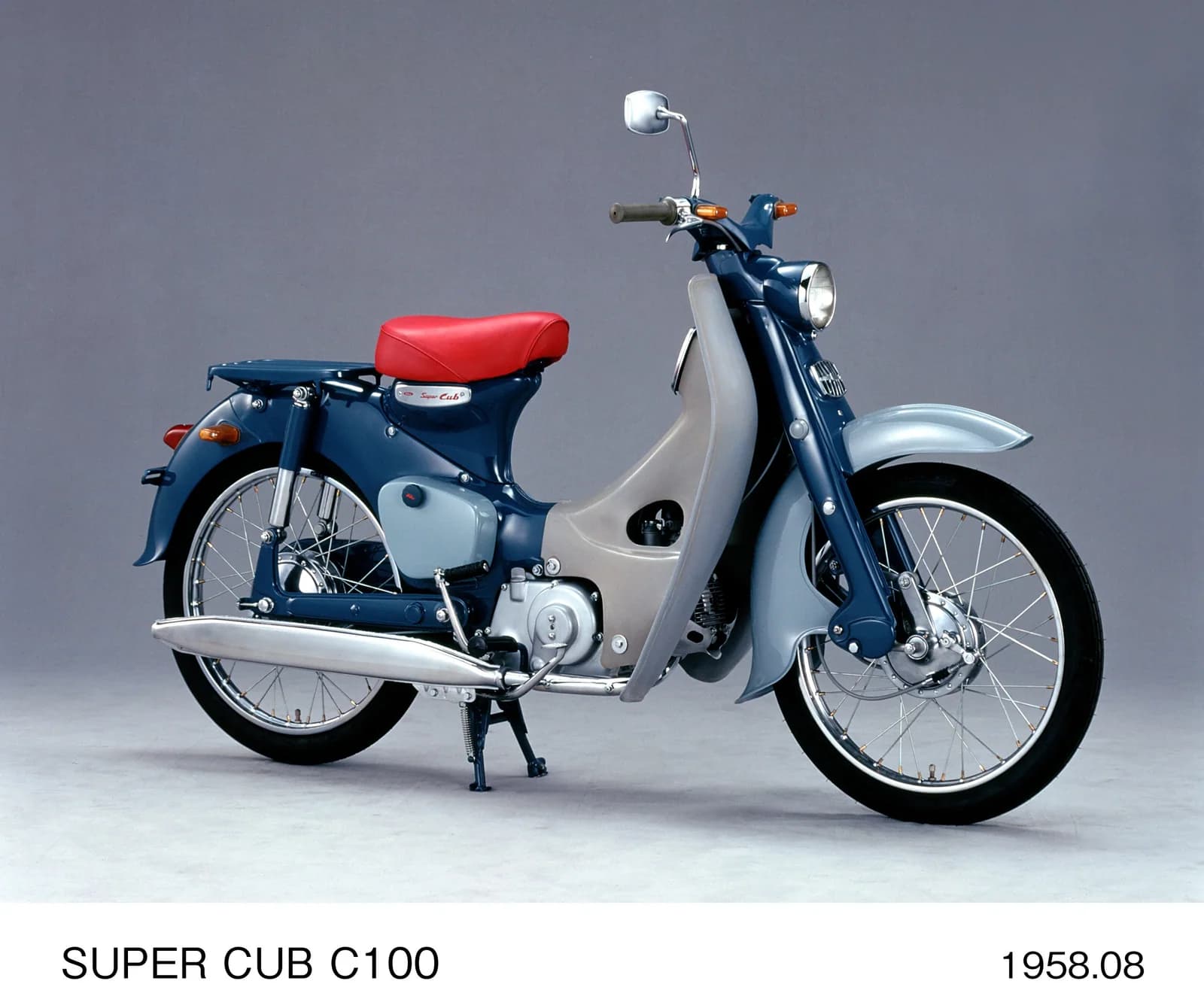
Published 27 September 2026 · WHV · Public-source editorial note
A machine designed for daily errands can change more lives than one designed to be admired at rest. Honda’s first Super Cub C100 is an invitation to look closely at what access actually requires. Its shape was built around a rider climbing on, staying cleaner and managing a journey with less fuss.
Lowering the step
Honda’s exact 1958 record specifies a low-floor backbone frame, large leg shields and a centrifugal clutch. The engine was a small four-stroke OHV unit. These choices worked together. The clutch removed one hand operation, while the three-speed gearbox still required the rider to change gears. Calling it an automatic scooter would erase a useful part of the design.
The value here is an engineering idea that remained legible enough to influence later mobility. That does not make every surviving C100 an easy ownership proposition. Old wiring, structure, paint, parts, paperwork and local road rules belong to the individual bike. The maker’s account of a historical model also cannot guarantee service for one wherever it is found today.
The individual Cub still matters
Compare the original machine with a later Cub you can actually ride or maintain locally. If considering an early C100, ask a knowledgeable specialist to identify its exact year and components and to inspect its condition. The question worth bringing home is how much design effort it takes to make a useful technology feel approachable. A future selling price is a separate matter for which this history supplies no answer.
Source and context.
Honda: 1958 Super Cub C100 model record ↗
Honda: the original Cub design story ↗
Honda newsroom: downloadable 1958 C100 archive image ↗
Honda is the source for the historical specification and archive photograph. WHV has not ridden, inspected or valued a C100. Later Super Cub variants differ, and present-day parts supply, road legality and riding suitability must be checked for the particular bike and location.
Source checked 27 September 2026. WHV interpretation is distinct from the source’s account.
Explore Everyday Mobility & Useful EngineeringFOLLOW YOUR CURIOSITY
Where this leads.
Different subjects. A reason to connect them.
Continue the idea
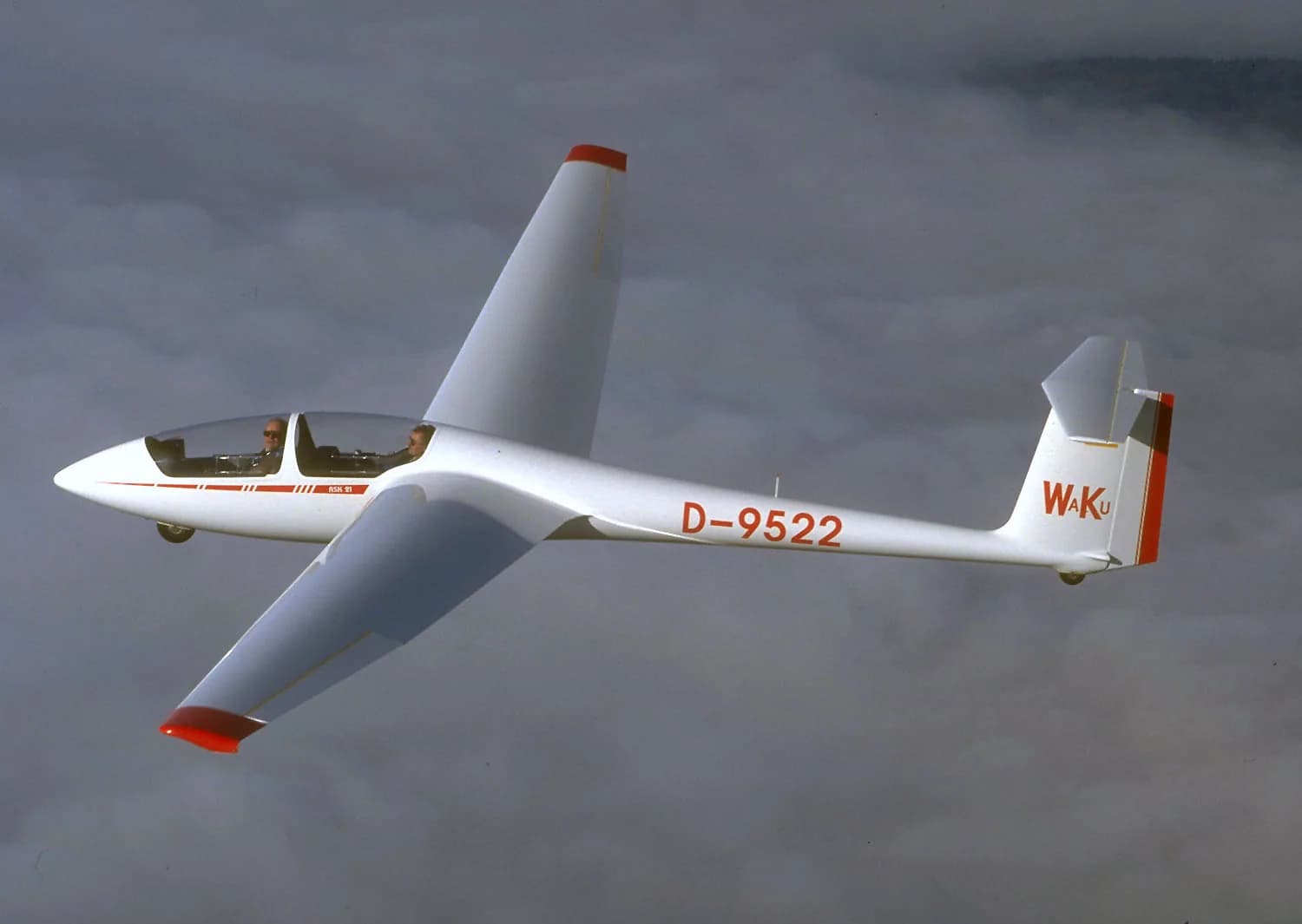
Two seats for a skill that stays.
Two machines show that accessibility begins in thoughtful design and still requires sound instruction.
Sailplanes & Training Machines
Read the story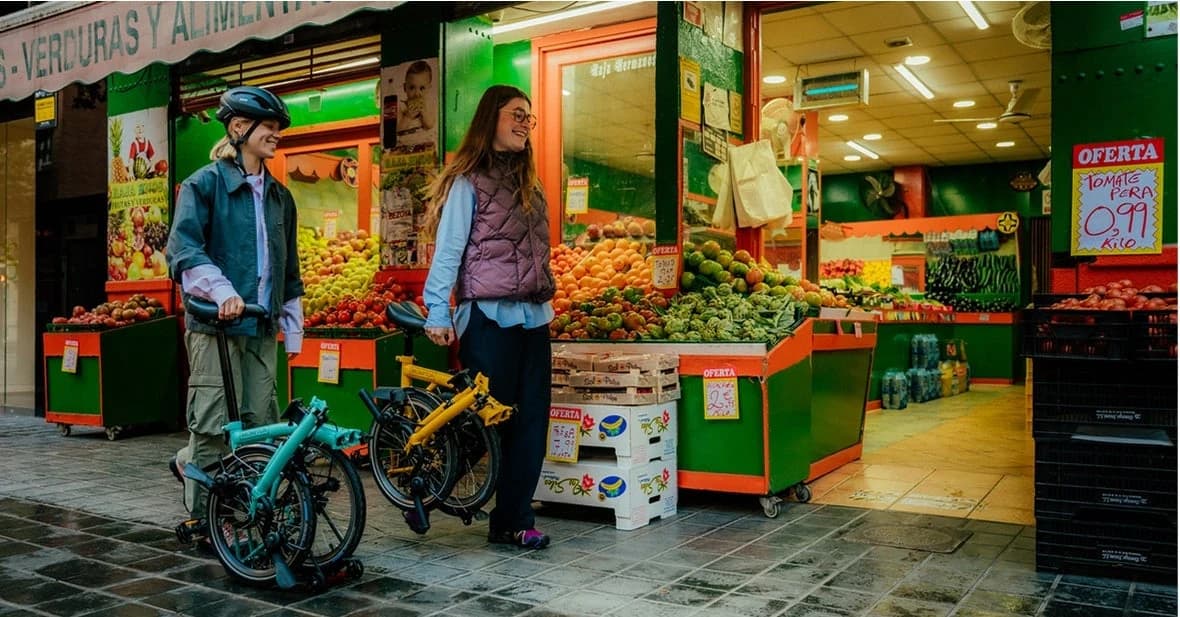
Across the WHV world
The bicycle that travels between journeys.
Compare two responses to the problem of making individual mobility easier to live with.
Bicycles & Personal Mobility
Read the story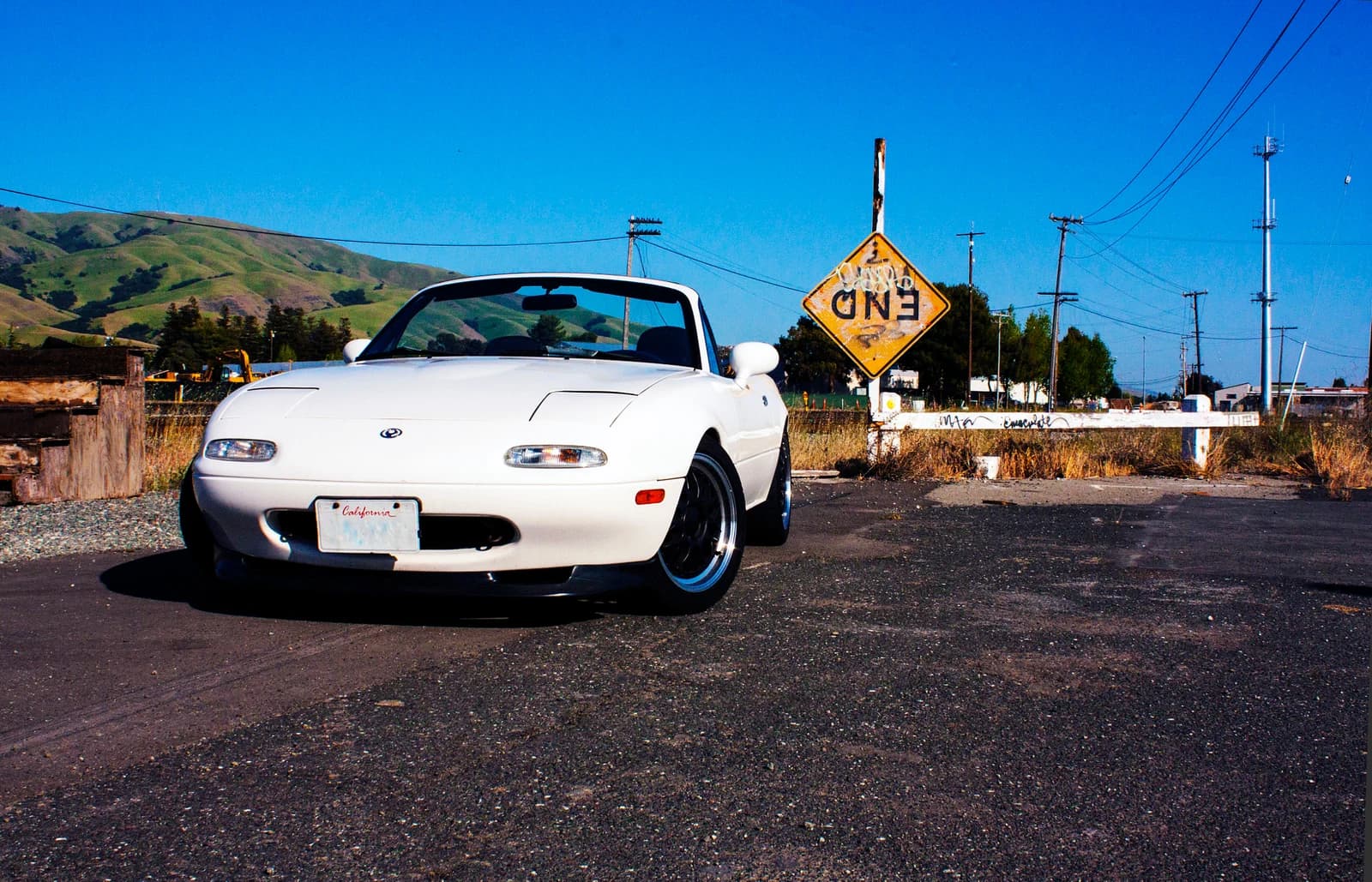
An unexpected connection
The car and the route back.
Another Japanese vehicle raises the practical question of how an older machine stays usable.
Roadsters & Restoration Support
Read the story