DISCOVERY / Austrian Sparkling Wine
Bründlmayer Brut Rosé, read the Austrian blend.
Pinot Noir, Zweigelt and St. Laurent give this bottle-fermented rosé a regional identity worth tasting for itself.
 Image: Weingut Bründlmayer
Published 4 November 2026 · WHV
The quickest way to understand this Bründlmayer bottling is to read the three grape names together. The producer describes a blend in roughly equal parts of Pinot Noir, Zweigelt and St. Laurent. The familiar first name gives a point of reference. The other two take the story back to the estate’s Austrian vineyards.
The estate describes pressing the fruit gently and raising the base wines separately before blending. The second fermentation takes place in the bottle, with about 18 to 24 months on the lees in the producer’s account. Those decisions are a better starting point for a tasting than comparisons based on colour alone.
Find the Brut Rosé with Sekt Austria Reserve on the label and taste it alongside food. Notice whether the fruit, acidity and texture stay in balance as the wine warms a little in the glass. If buying bottles for later, ask about storage and the specific release. The published method explains the wine’s character, while the bottle’s condition still belongs to its own history.
Evidence & sources.
- Bründlmayer Brut Rosé technical profile (opens source in a new tab)
- Bründlmayer press archive (opens source in a new tab)
Scope of this reading
Blend and ageing reflect the producer’s published profile. The photographed bottle is the Reserve presentation. Exact lots and storage conditions can vary.
Sources checked 4 November 2026.
FOLLOW YOUR CURIOSITY
Where this leads.
 Image: Michal Osmenda
Continue the idea
Château Simone Blanc, read the blend.
Compare two wines whose blend offers a way into a region that is easy to overlook.
Read the story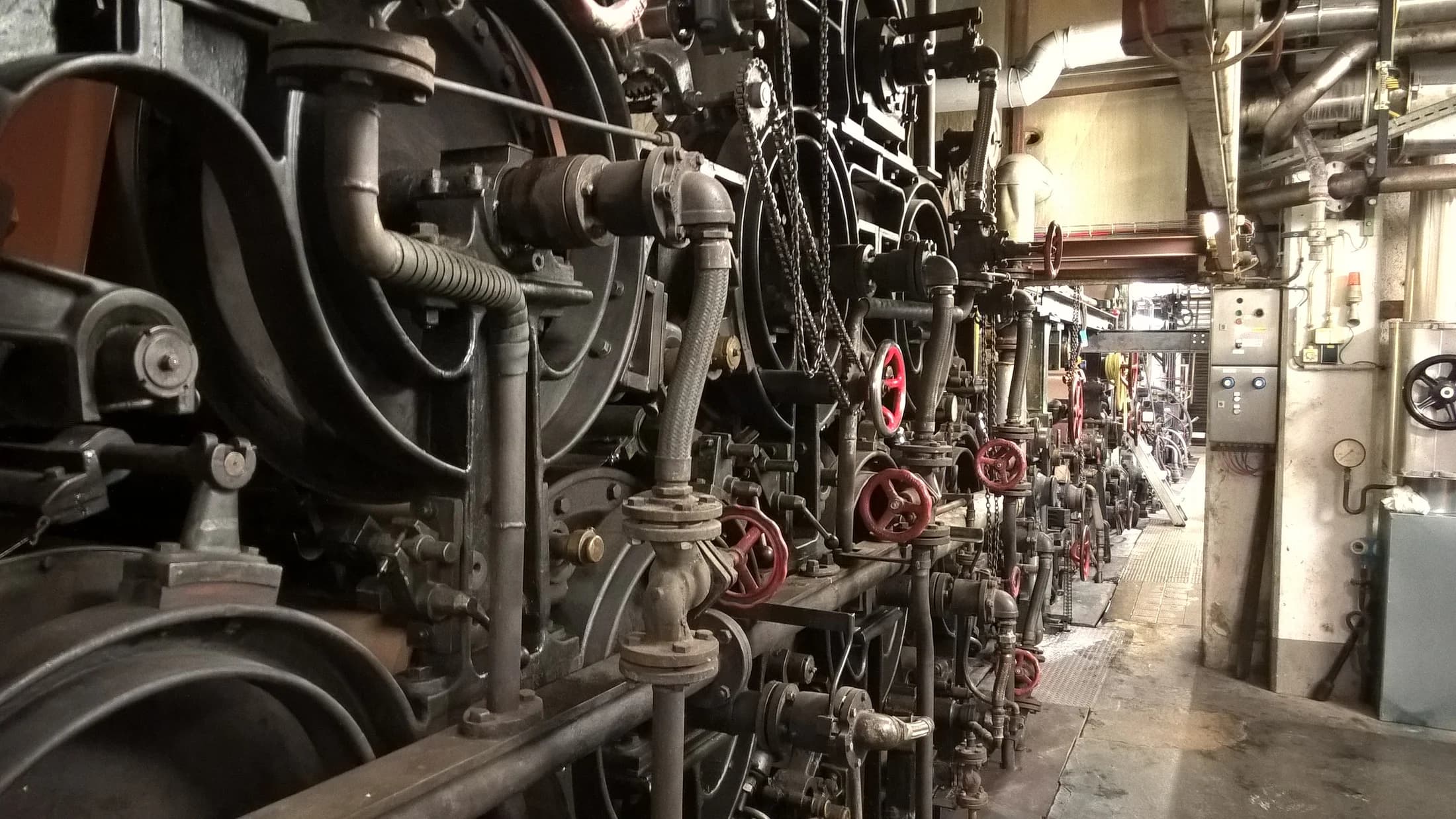 Image: Stefan Meister
An unexpected connection
At Gmund, see what happens before the sheet.
Follow the use of a familiar material into a factory where the making is visible.
Read the story